April 16, 2026
If your bathtub is starting to look worn, stained, or outdated, you might be wondering what your options are besides a full replacement. This is where the bathtub refinishing process comes in as a practical and increasingly popular solution. Instead of tearing out your existing tub, professionals restore the surface using specialized cleaning, repair, and coating techniques that bring it back to a like-new appearance.
What many homeowners do not realize at first is that the bathtub refinishing process is not a quick paint-over job. It is a detailed, multi-step service that requires proper surface preparation, professional materials, and controlled application to achieve long-lasting results. When done correctly, it can completely transform the look and feel of a bathroom without the disruption of a full remodel. Before deciding if it is right for your home, it helps to understand how the bathtub refinishing process works, what affects the outcome, and why professional application matters.
1. The Basics of the Bathtub Refinishing Process
If you are considering updating your bathroom without a full replacement, it helps to understand what the bathtub refinishing process actually involves. This is a professional restoration method where an existing tub is cleaned, repaired, and resurfaced to restore a like-new appearance without removing it from the space.
The bathtub refinishing process is not just a cosmetic touch-up. It is a structured service that involves surface preparation, repair work, bonding agents, and professional-grade coatings designed for long-term durability. Each step is completed in a specific order to make sure the new surface properly adheres and performs well over time.
Homeowners are often surprised by how detailed the process is. A properly completed bathtub refinishing process can dramatically improve both the appearance and usability of an older bathtub while avoiding the disruption of a full remodel. Instead of dealing with demolition and replacement, professionals focus on restoring what already exists in a controlled and efficient way.
2. The Smart Alternative of the Bathtub Refinishing Process
The bathtub refinishing process has become a popular choice for homeowners who want a refreshed bathroom without the cost and inconvenience of replacement. A full bathtub installation often involves plumbing adjustments, tile repair, and demolition work, which can quickly turn into a major project.
Refinishing avoids most of that disruption. Since the original tub stays in place, the bathtub refinishing process is significantly less invasive. There is no need to remove surrounding flooring or walls in most cases, which helps keep the project cleaner and more contained.
Another important factor is downtime. A professional bathtub refinishing process is typically completed much faster than a full renovation, allowing homeowners to return to normal use after the curing period. For families or busy households, this reduced disruption is a major advantage. It is a practical solution for those who want noticeable results without turning their bathroom into a long-term construction zone.
3. The Materials Used in the Bathtub Refinishing Process
The success of the bathtub refinishing process depends heavily on the materials used by trained professionals. High-quality coatings are typically applied because they are designed to bond securely to existing tub surfaces and withstand daily use.
Before the final coating is applied, surface preparation materials play an important role. Cleaning agents remove built-up residue, while etching solutions create the right surface texture for adhesion. Without proper preparation, even the best materials used in the bathtub refinishing process will not perform as intended.
Primers are also essential. They act as a bonding layer between the original tub surface and the new finish. This step helps reduce issues like peeling or flaking and contributes to a longer-lasting result.
According to Fixr, built-in tubs have one exterior surface and one interior surface that can be refinished, while standalone tubs have three to four outer surfaces as well as the inner surface. This difference affects how much material is required and how detailed the bathtub refinishing process becomes depending on the tub type being serviced.
4. A Step-By-Step Look at the Bathtub Refinishing Process
The bathtub refinishing process follows a carefully structured sequence that is designed for durability and consistency. It begins with a deep cleaning to remove soap scum, oils, and mineral deposits that can interfere with adhesion.
Next, professionals repair any surface imperfections such as chips, cracks, or worn areas. This step is important because the bathtub refinishing process depends on having a smooth and stable base before any coatings are applied.
After repairs, the surface is etched and prepared to create the right texture for bonding. A professional-grade primer is then applied to help the new surface adhere properly. Finally, multiple layers of specialized coating are applied to create a smooth, glossy finish.
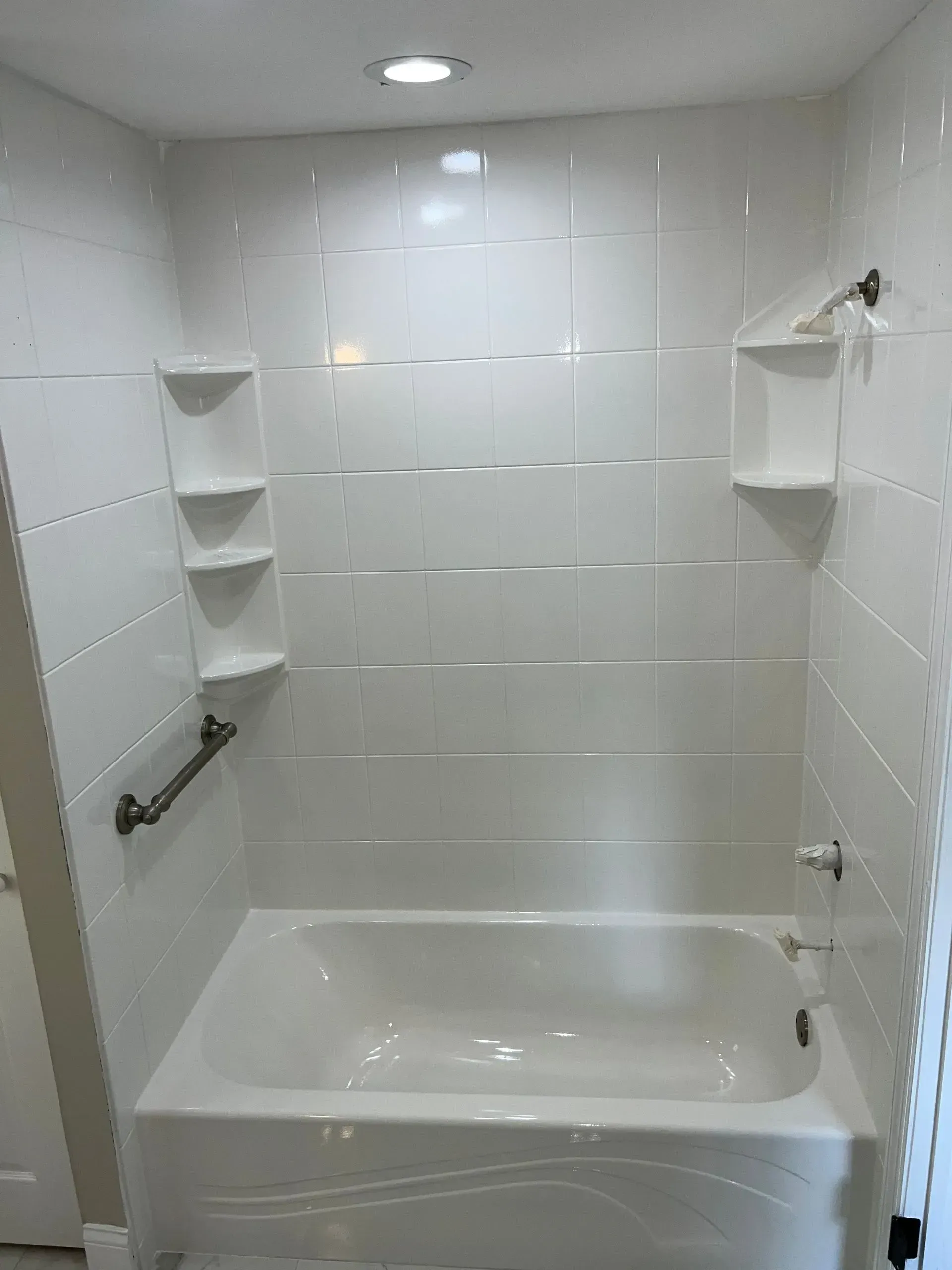
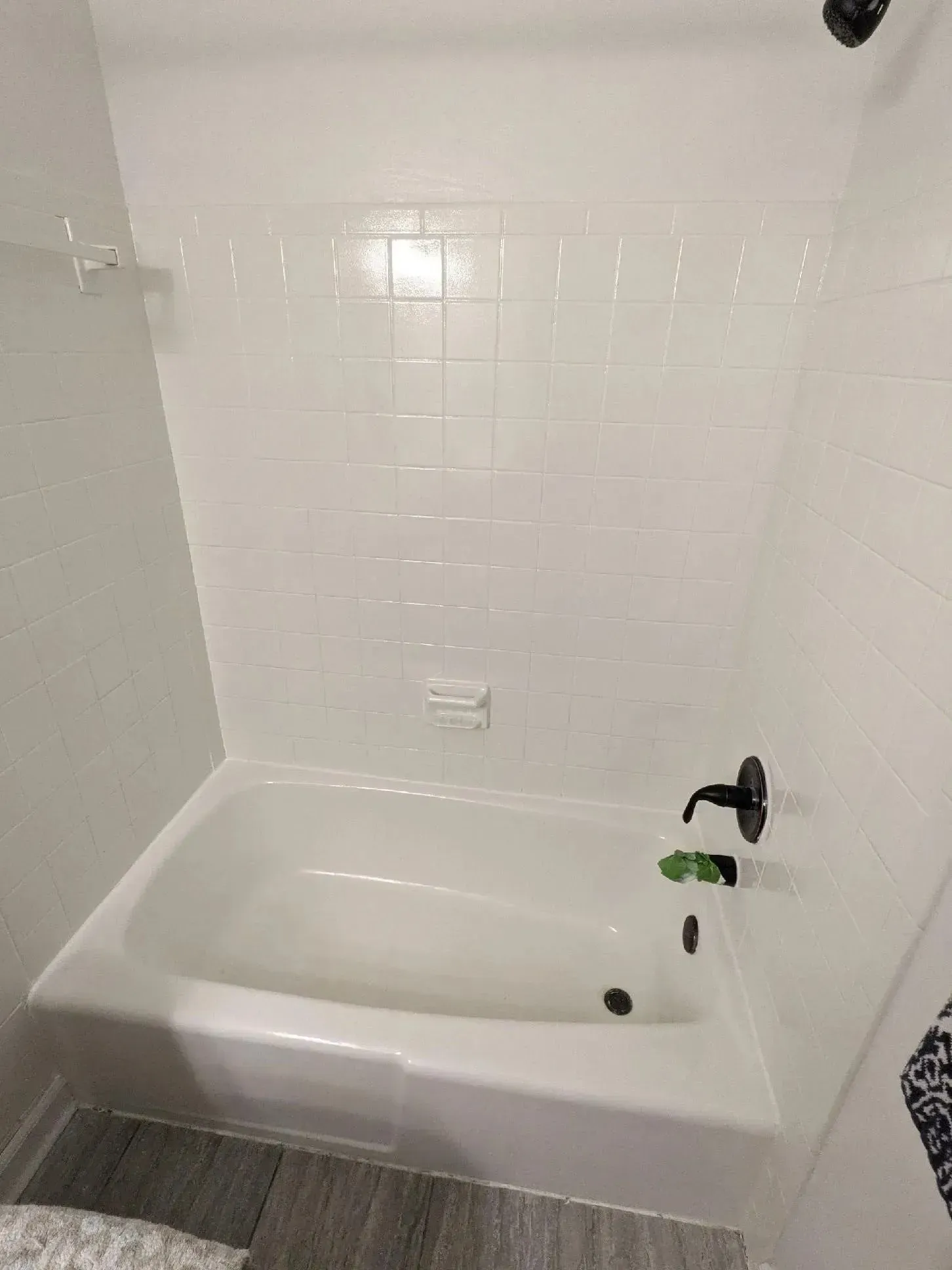
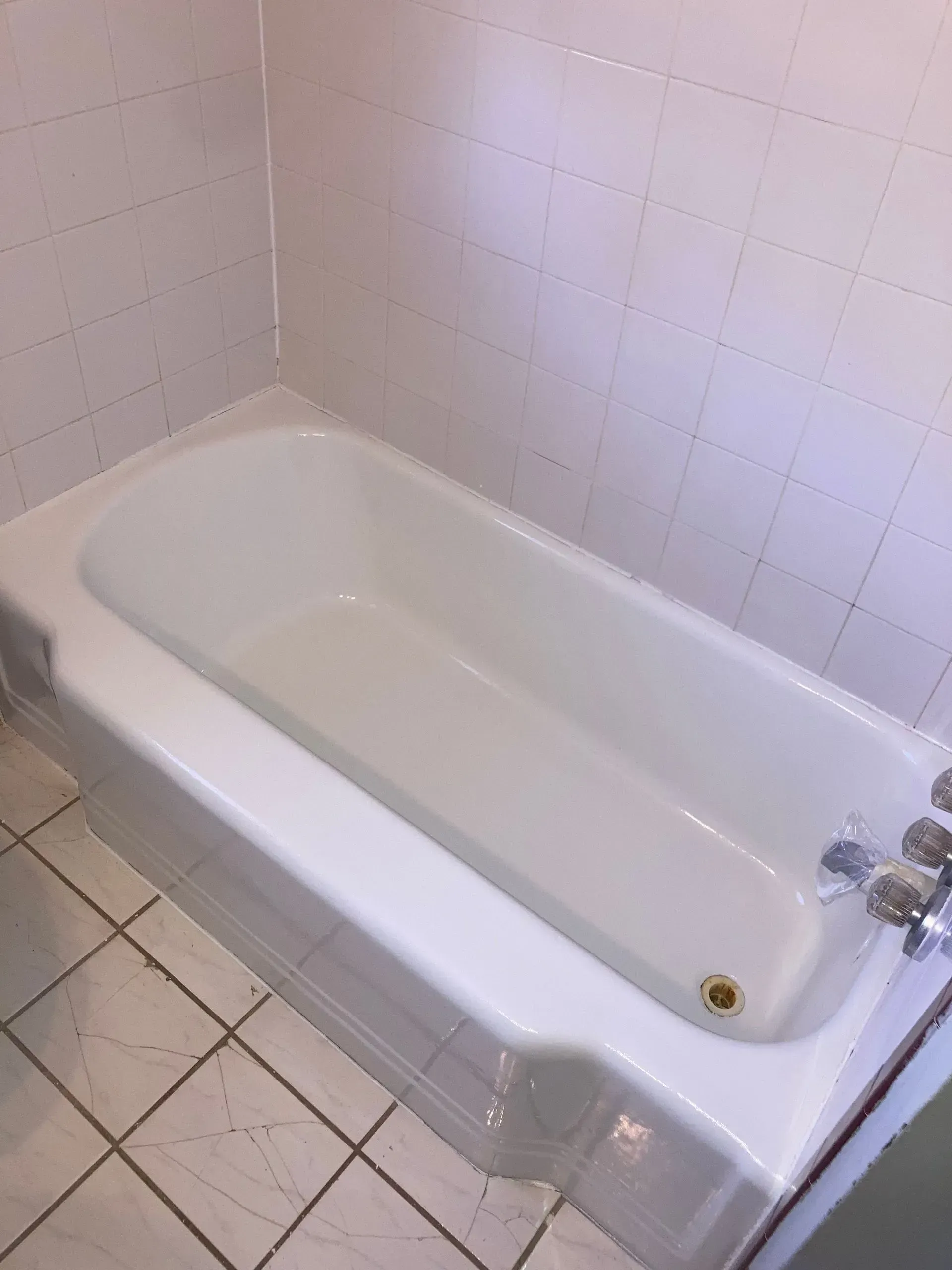
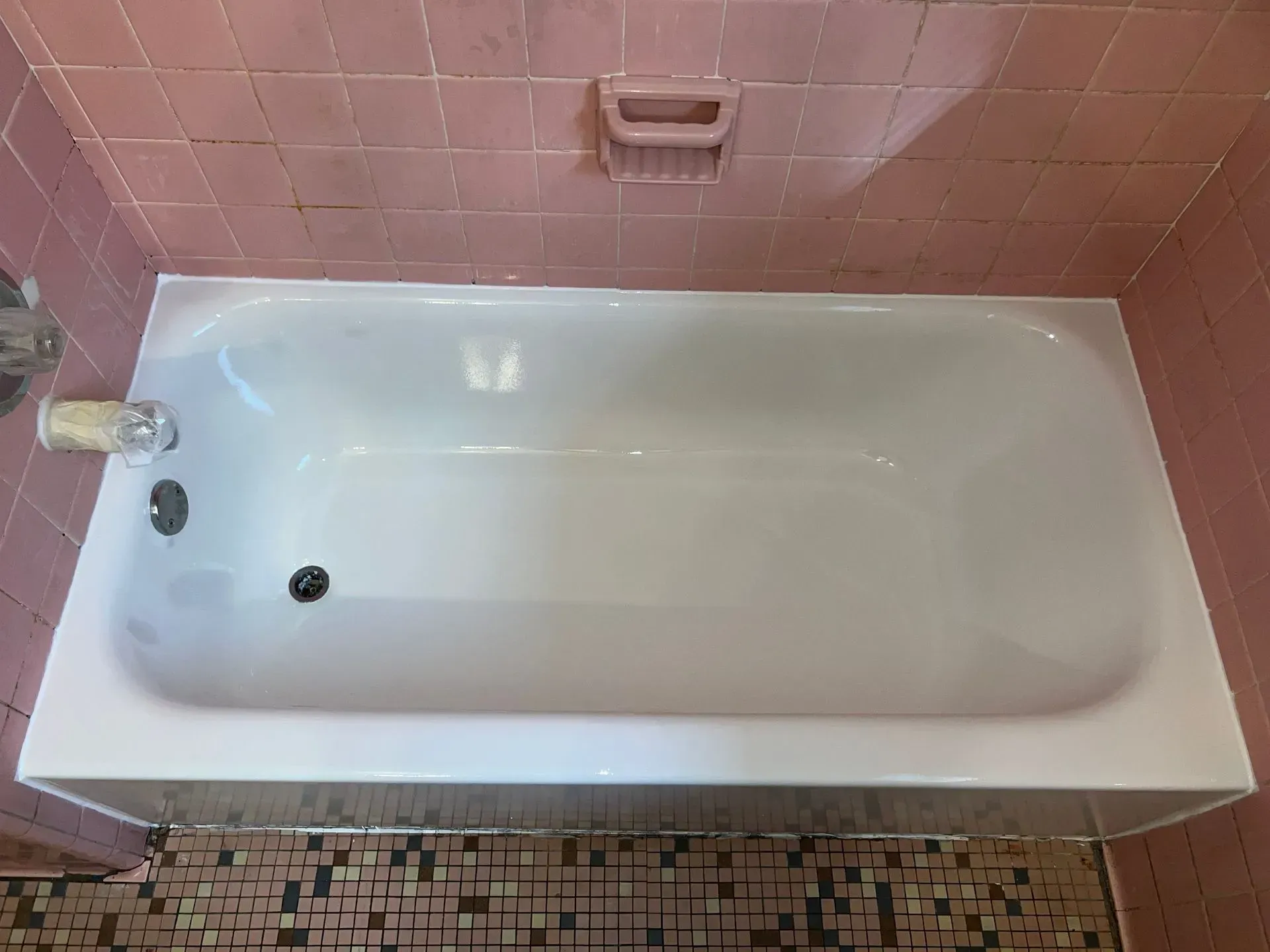
Each stage of the bathtub refinishing process builds on the last one, which is why professional execution matters. When done correctly, the result is a durable, uniform surface that restores the appearance of the bathtub while extending its usable life.
5. The Durability of the Finished Product
A professionally completed bathtub refinishing process can last many years when proper materials and application methods are used. On average, homeowners can expect a lifespan of 10 to 15 years, depending on maintenance and usage.
Durability is influenced by several factors, including the quality of surface preparation, the type of coating used, and the expertise of the technician performing the work. A properly executed bathtub refinishing process creates a strong bond between the old surface and new coating, which is key to long-term performance. Even small details during prep, such as thorough cleaning and proper etching, can make a noticeable difference in how well the finish holds up over time.
Aftercare also matters. Gentle cleaning products and proper maintenance help preserve the finish and extend its lifespan. Harsh chemicals or abrasive scrubbing tools can reduce the longevity of the refinished surface over time. It is also helpful to avoid leaving standing water or heavy objects sitting in the tub for long periods, as consistent care habits play a role in protecting the coating. When handled professionally, the bathtub refinishing process offers a reliable balance between appearance, durability, and cost.
6. The Safety and Preparation Before Starting
Before beginning a professional bathtub refinishing process, proper preparation is essential for both safety and quality results. Because specialized coatings and bonding agents are used, ventilation plays an important role in maintaining a safe working environment during application and curing.
Homeowners are typically advised to clear the bathroom area before work begins. Personal items, décor, and toiletries should be removed to protect them from dust or overspray during the bathtub refinishing process. Covering surrounding surfaces may also be necessary depending on the bathroom layout.
It is also important to plan for temporary downtime. After the refinishing work is completed, the tub requires a curing period before it can be used again. This is a standard part of the bathtub refinishing process and is necessary for achieving a strong, durable finish.
The bathtub refinishing process is a reliable way to restore and upgrade an existing bathtub when performed by trained professionals who understand every stage of the work, from preparation to final curing. If you are ready to transform your bathtub with a smooth, long-lasting finish done right the first time, reach out to Bath Magic today and let our experts bring your bathroom back to life with confidence.